
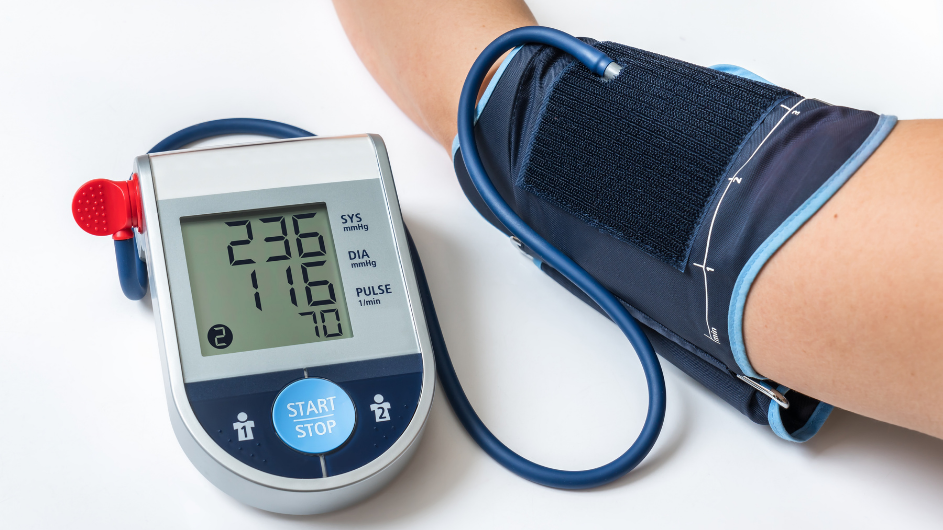
High blood pressure
Uncontrolled high blood pressure damages the kidneys over time and accelerates kidney disease. The Kidney Clinic diagnoses and manages hypertension to protect kidney function and overall health.
High Blood Pressure & Your Kidneys
Blood pressure and kidney health are tightly linked — controlling one protects the other. Specialist management breaks the cycle before it harms your kidneys.
What is high blood pressure?
High blood pressure, or hypertension, is when the force of blood against your artery walls stays consistently too high. It's especially important in kidney care, because the kidneys help regulate blood pressure — so damaged kidneys can push it up, and high blood pressure in turn damages the kidneys.
At The Kidney Clinic, Dr. Anil K. Patel manages hypertension with kidney health firmly in mind — controlling blood pressure to protect kidney function and the heart.
Symptoms & causes
Hypertension is often silent, but can cause:
- Headaches
- Dizziness
- Shortness of breath
- Chest pain
The blood pressure–kidney cycle
Blood pressure and the kidneys affect each other directly:
- Uncontrolled blood pressure damages the small vessels in the kidneys
- Damaged kidneys regulate blood pressure and fluid less effectively
- Together this becomes a worsening cycle — hypertensive nephropathy leading to CKD
- Dialysis patients need careful blood-pressure control during and between sessions
Diagnosis & treatment
Diagnosis & monitoring
Repeated blood-pressure measurements over time — often with ambulatory monitors — alongside kidney function tests to see the full picture.
Medication
ACE inhibitors, ARBs, diuretics, beta-blockers, or calcium channel blockers, chosen and dosed around your kidney function and overall health.
Lifestyle changes
A low-salt, heart-healthy diet, a healthy weight, regular exercise, less alcohol, and quitting smoking all make a real difference.
Procedures where needed
For specific underlying causes, renal artery angioplasty with stenting, or renal denervation, may be considered.
Ongoing review
Regular tracking of blood pressure and kidney function, with your treatment adjusted to keep both well controlled.
Managing your blood pressure
- Follow a low-sodium, heart-healthy diet
- Maintain a healthy weight
- Exercise regularly
- Limit alcohol and quit smoking
- Take medications as prescribed and attend regular check-ups
Why choose Dr. Anil K. Patel
14+ years of dedicated nephrology and dialysis practice
Specialist training at MPUH Nadiad under Dr. M.M. Rajapurkar
Multidisciplinary care — nephrology, nutrition, and mental-health support
Transplant centre partnerships with Mahavir Hospital & Universal Hospital
Ambulatory blood-pressure monitoring and kidney-tailored medication
Care in English, Hindi & Gujarati, with prompt response
Frequently asked questions
What is the connection between high blood pressure and kidney health?
How does high blood pressure affect kidney function?
Can kidney disease cause high blood pressure?
What is the nephrologist's role?
Are there specific blood-pressure targets for kidney disease?
How does dialysis affect blood-pressure management?
Can lifestyle changes help?
What medications are used?
Is a transplant an option for hypertension with kidney disease?
How important is regular monitoring?
Struggling to control your blood pressure?
Speak directly with Dr. Anil K. Patel for blood-pressure management designed to protect your kidneys and your heart.