
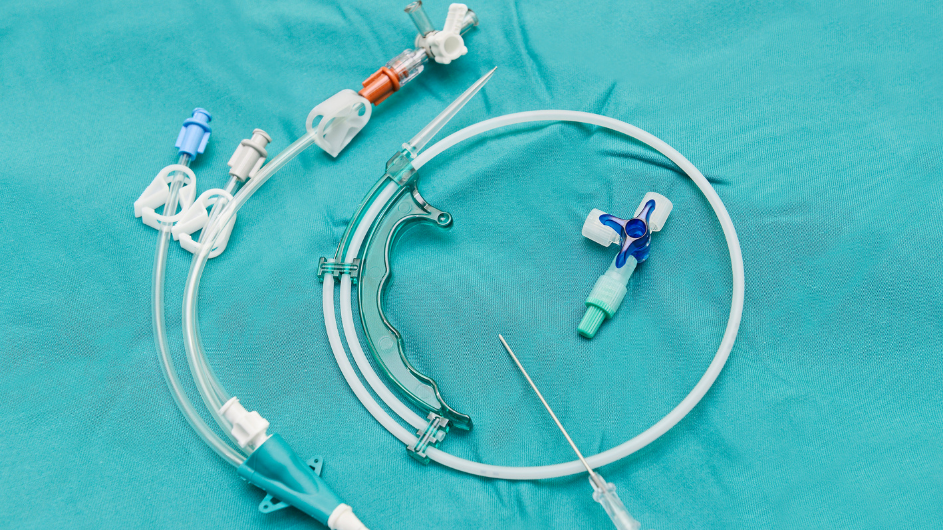
CAPD catheter placement
CAPD catheter placement inserts a soft tube into the abdomen to enable continuous ambulatory peritoneal dialysis at home. The Kidney Clinic handles insertion, training and ongoing catheter care.
CAPD Catheter Placement
The small procedure that makes home peritoneal dialysis possible — a soft catheter placed safely, so you can dialyse on your own schedule.
What is CAPD catheter placement?
CAPD (Continuous Ambulatory Peritoneal Dialysis) catheter placement is a procedure to insert a soft, flexible tube into the peritoneal cavity. This catheter is the access point for peritoneal dialysis — letting dialysis fluid flow in and drain out, carrying waste products with it.
At The Kidney Clinic, Dr. Anil K. Patel places the catheter safely under sterile, image-guided conditions, then supports you with training to dialyse confidently at home.
Who needs a CAPD catheter?
The procedure suits you if:
- You have kidney failure and have chosen peritoneal dialysis
- You want a flexible, home-based dialysis option
- You have limited vascular access for hemodialysis
- You wish to be actively involved in your own care
The placement procedure
Preparation & anaesthesia
The procedure is done in sterile conditions under local anaesthesia with sedation, or general anaesthesia, for your comfort.
Placement
Through a small incision in the abdomen, the catheter is gently guided into the peritoneal cavity.
Confirming position
Imaging such as fluoroscopy or ultrasound confirms the catheter is correctly placed. The whole procedure usually takes about 30 minutes to an hour.
Healing
The catheter site is left to heal for a couple of weeks before the catheter is used for dialysis.
Starting CAPD
Dialysis usually begins a few weeks after placement, once the site has healed, with full training from our team.
Aftercare & safety
As with any procedure, there are risks our team takes care to prevent:
- Infection
- Bleeding
- Catheter malposition
- Leakage of dialysis fluid
- Damage to nearby structures
Why choose Dr. Anil K. Patel
14+ years of dedicated nephrology and dialysis practice
Specialist training at MPUH Nadiad under Dr. M.M. Rajapurkar
Nephrologists and surgeons together for safe access placement
Transplant centre partnerships with Mahavir Hospital & Universal Hospital
Sterile, image-guided placement plus home-dialysis training
Care in English, Hindi & Gujarati, with prompt response
Frequently asked questions
What is CAPD catheter placement?
How is the catheter placed?
Is it done under anaesthesia?
How long does it take?
What is the recovery time?
Are there any risks?
How soon can I start CAPD?
How do I care for the insertion site?
Can the catheter be removed later?
How often will I have follow-ups?
Will I need lifestyle adjustments?
How do I know if CAPD is right for me?
Choosing peritoneal dialysis?
Speak directly with Dr. Anil K. Patel about CAPD catheter placement and starting safe, flexible home dialysis.