
Nephrotic Syndrome
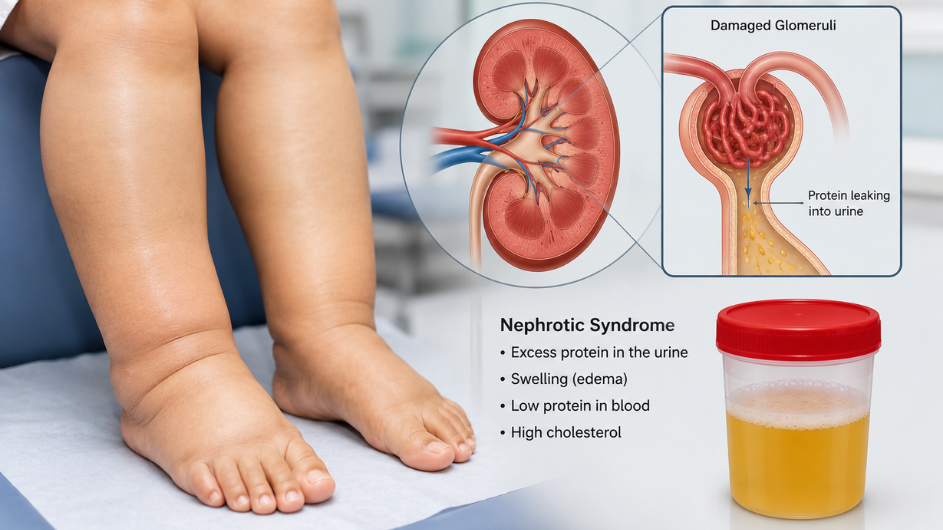
Nephrotic Syndrome is a kidney disorder characterized by abnormal levels of protein in the urine, low levels of protein in the blood, swelling (edema), and high cholesterol. At The Kidney Clinic, ...
Nephrotic Syndrome
When the kidneys leak protein into the urine, it causes swelling, low blood protein, and high cholesterol — specialist care can control it and protect your kidneys.
What is nephrotic syndrome?
Nephrotic syndrome is a kidney disorder in which the glomeruli — the kidneys' tiny filtering units — are damaged and leak large amounts of protein into the urine. This leads to a recognisable pattern: protein in the urine, low protein in the blood, body swelling (edema), and high cholesterol.
At The Kidney Clinic, Dr. Anil K. Patel provides comprehensive management — pinpointing the underlying cause and tailoring treatment to control proteinuria and protect your kidney function.
Symptoms & causes
Common symptoms include:
- Swelling in the legs, ankles, and around the eyes
- Foamy urine, from excess protein
- Fatigue
- Weight gain from fluid retention
Underlying causes
Nephrotic syndrome can stem from several conditions:
- Minimal change disease
- Focal segmental glomerulosclerosis (FSGS)
- Membranous nephropathy
- Diabetic nephropathy
- Lupus and other autoimmune conditions
Diagnosis & treatment
Diagnosis
Urine tests to measure protein, blood tests for protein levels and kidney function, imaging, and sometimes a kidney biopsy to identify the underlying cause.
Targeted treatment
Medications to reduce proteinuria and inflammation — such as corticosteroids and immunosuppressants — diuretics for swelling, and control of blood pressure and cholesterol.
Diet & lifestyle
Dietary modifications and lifestyle adjustments tailored to you, supporting treatment and overall kidney health.
Monitoring & follow-up
Close monitoring to manage symptoms, prevent complications, and reduce the risk of recurrence over time.
Managing nephrotic syndrome
- Take your medications exactly as prescribed
- Keep blood pressure and cholesterol well controlled
- Manage blood sugar if you have diabetes
- Follow a balanced, kidney-friendly diet
- Attend regular follow-ups and report any return of symptoms
Why choose Dr. Anil K. Patel
14+ years of dedicated nephrology and dialysis practice
Specialist training at MPUH Nadiad under Dr. M.M. Rajapurkar
Multidisciplinary care — nephrologists, dietitians, and support staff
Transplant centre partnerships with Mahavir Hospital & Universal Hospital
Advanced diagnostics, including kidney biopsy when needed
Care in English, Hindi & Gujarati, with prompt response
Frequently asked questions
What is nephrotic syndrome?
What causes it?
What are the common symptoms?
How is it diagnosed?
Can it be treated?
How does it relate to nephrology and dialysis?
Is it curable?
Can it come back after treatment?
Do lifestyle changes help?
When should I see a doctor?
Concerned about nephrotic syndrome?
Speak directly with Dr. Anil K. Patel for accurate diagnosis and treatment that controls proteinuria and protects your kidney health.