
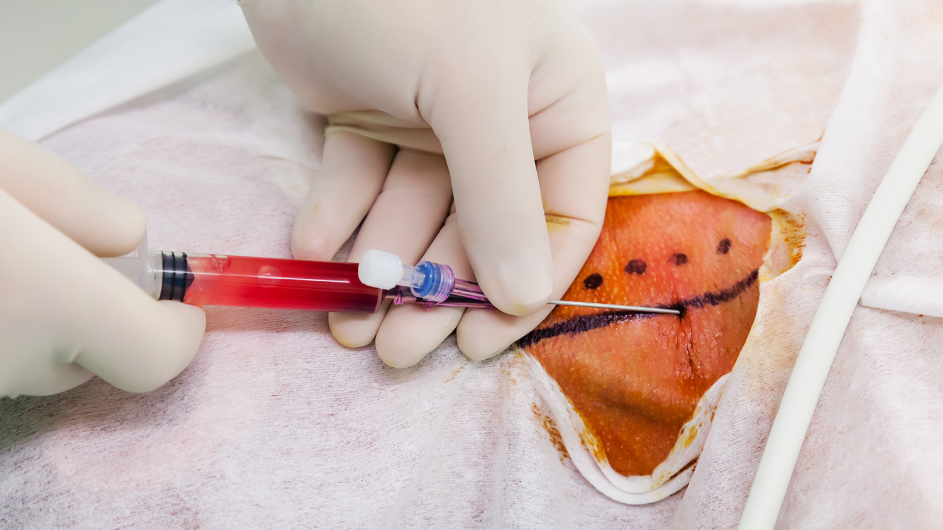
Temporary hemodialysis catheter insertion
Temporary hemodialysis catheter insertion is a critical procedure in Nephrology and Dialysis, providing a lifeline for patients with acute or chronic kidney dysfunction. This procedure involves the...
Temporary Hemodialysis Catheter Insertion
Immediate dialysis access when it's needed most — a safe, image-guided bridge that keeps treatment going until permanent access is ready.
What is a temporary catheter?
A temporary hemodialysis catheter is a tube placed into a large vein — usually in the neck, chest, or groin — to give immediate access for dialysis when the kidneys can no longer filter the blood adequately. Blood is drawn out through it, cleaned by the dialysis machine, and returned to the body.
It acts as a bridge for patients who need dialysis now, while a more permanent access such as a fistula or graft is being planned. At The Kidney Clinic, Dr. Anil K. Patel ensures safe, sterile, image-guided placement.
Why a temporary catheter?
A temporary catheter is the right choice when:
- Immediate dialysis is needed for acute kidney injury or kidney failure
- A permanent access (fistula or graft) isn't ready yet
- An existing permanent access is temporarily unavailable
- A short-term bridge is needed while long-term access is established
The insertion procedure
Evaluation
Blood tests — creatinine, glomerular filtration rate, and other markers — confirm the need for dialysis, and imaging helps choose the safest insertion site.
Insertion
Under sterile conditions and local anaesthesia, the catheter is carefully placed into a large vein in the neck, chest, or groin, guided by imaging for accurate placement.
Dialysis access
The external end of the catheter connects to the dialysis machine, allowing blood to be filtered of waste, excess fluid, and toxins, then returned to your body.
Site care & monitoring
The site is kept clean and dry, and our team monitors closely for infection and proper catheter function throughout its use.
Removal & transition
Once permanent access is ready, the temporary catheter is removed and you move smoothly onto long-term dialysis access.
Aftercare & safety
As with any procedure, there are risks our team takes care to prevent:
- Infection at the insertion site
- Bleeding or clot formation
- Damage to nearby blood vessels
- Improper catheter placement
Why choose Dr. Anil K. Patel
14+ years of dedicated nephrology and dialysis practice
Specialist training at MPUH Nadiad under Dr. M.M. Rajapurkar
Nephrologists, interventional radiologists, and dialysis specialists together
Transplant centre partnerships with Mahavir Hospital & Universal Hospital
Sterile, image-guided insertion for safe, accurate placement
Care in English, Hindi & Gujarati, with prompt response
Frequently asked questions
What is a temporary hemodialysis catheter?
Why is it used?
How is the catheter inserted?
Is the procedure painful?
What are the risks?
How long can it stay in?
How should I care for the site?
Can I shower or bathe with it in place?
How will I know if there's a problem?
Can it be removed later?
Need dialysis access?
Speak directly with Dr. Anil K. Patel about temporary catheter insertion and your path to safe, ongoing dialysis care.