
Haemodialysis
Learn about haemodialysis, a vital treatment for individuals with kidney failure. Discover how it works and why it's crucial for maintaining health and wellbeing.
Haemodialysis
When your kidneys can no longer filter your blood, haemodialysis does it for them — safely, comfortably, and with reliable vascular access.
What is haemodialysis?
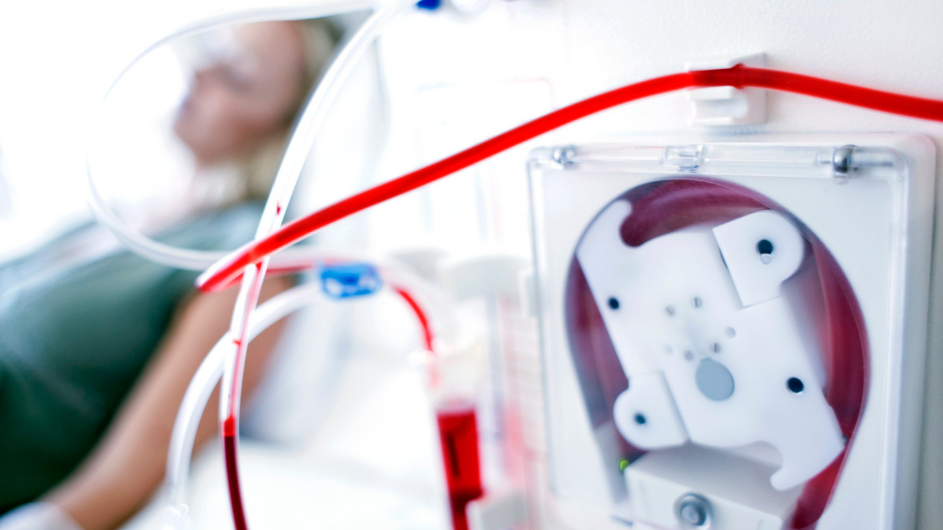
Haemodialysis filters waste products and excess fluid from the blood using a dialysis machine, when the kidneys can no longer do it adequately. Blood is drawn from the body, cleaned through a filter, and returned — helping restore electrolyte balance and protect your overall health.
At The Kidney Clinic, Dr. Anil K. Patel and the dialysis team manage every part of your care, from creating reliable vascular access to running safe, effective sessions.
Why haemodialysis?
Haemodialysis is used when:
- Chronic kidney disease has reached the end stage
- Acute kidney injury needs urgent filtering
- Waste, fluid, or electrolyte imbalances build up beyond what the kidneys can manage
- Ongoing therapy is needed, or as a bridge toward transplant
How a session works
Vascular access
Blood is accessed through an AV fistula, a graft, or a catheter, depending on what suits you best.
Blood out
Blood is gently drawn and pumped into the dialysis machine.
Filtering
The dialyser removes waste and excess fluid and rebalances electrolytes.
Return
The cleaned blood is returned to your body, and the cycle continues through the session.
Schedule & monitoring
Sessions typically last about 3–4 hours, several times a week, with your vital signs monitored throughout.
The AV fistula (AVF)
An arterio-venous fistula — a surgical connection between an artery and a vein, usually in the arm — is the gold-standard access for haemodialysis. It needs several weeks to a few months to mature before use, as the vessel grows stronger and able to withstand repeated needling. Its advantages:
- The longest-lasting access, with fewer site changes
- A lower infection risk than catheters
- Better blood flow for more effective dialysis
- A lower risk of clotting
Why choose Dr. Anil K. Patel
14+ years of dedicated nephrology and dialysis practice
Specialist training at MPUH Nadiad under Dr. M.M. Rajapurkar
Nephrologists, dialysis nurses, and vascular-access surgeons together
Transplant centre partnerships with Mahavir Hospital & Universal Hospital
AV fistula creation and complete vascular-access care
Care in English, Hindi & Gujarati, with prompt response
Frequently asked questions
What is an arterio-venous fistula (AVF)?
Why is an AVF important for dialysis?
How is an AVF created?
How long does an AVF take to mature?
What are the benefits of an AVF over other access?
How do I care for my AVF?
Are there potential complications?
Can every dialysis patient have an AVF?
How do I prepare for AVF surgery?
Where can I learn more?
Starting haemodialysis?
Speak directly with Dr. Anil K. Patel about your dialysis plan and the best vascular access for you.