
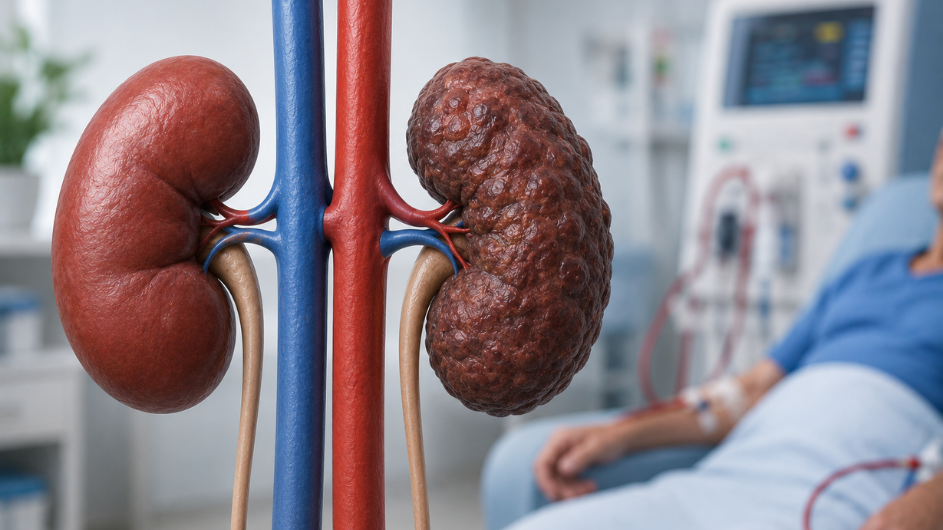
Chronic renal illness or progressive kidney disease
Chronic kidney disease is the gradual, long-term loss of kidney function. The Kidney Clinic focuses on slowing its progression through medication, diet, blood-pressure control and regular monitoring.
Chronic Kidney Disease (CKD)
Also called progressive kidney disease — the gradual loss of kidney function. Caught and managed early, its progression can be slowed and your quality of life protected.
What is chronic kidney disease?
Chronic renal illness — chronic kidney disease (CKD), or progressive kidney disease — is the gradual loss of kidney function over time. As the kidneys filter less effectively, waste and excess fluid build up in the body. With the right care, the progression can be slowed and its complications well managed.
At The Kidney Clinic, Dr. Anil K. Patel guides you through every stage — from early management to dialysis or transplantation if it becomes necessary.
Symptoms & causes
As CKD progresses, you may notice:
- Fatigue
- Swelling (edema) in the legs and ankles
- Changes in how often you urinate
- Blood in the urine
- High blood pressure
The stages of CKD
CKD is graded in five stages by your glomerular filtration rate (GFR):
- Stage 1 — kidney damage with normal filtering
- Stage 2 — mild reduction in function
- Stage 3 — moderate reduction in function
- Stage 4 — severe reduction in function
- Stage 5 — end-stage disease, needing dialysis or a transplant
Diagnosis & treatment
Diagnosis & staging
Blood tests (GFR, serum creatinine) and urine tests (albuminuria) assess your kidney function and place your CKD at the right stage.
Treating the cause
Controlling the drivers — diabetes, blood pressure, and other underlying conditions — is the most effective way to slow progression.
Medication & diet
Targeted medication and a kidney-friendly diet manage symptoms, protect function, and reduce complications.
Advanced care
For end-stage disease, dialysis — hemodialysis or peritoneal — or kidney transplantation, with full support throughout.
Slowing progression
- Keep blood sugar and blood pressure well controlled
- Follow a kidney-friendly diet and stay hydrated
- Maintain a healthy weight and stay active
- Avoid smoking and the overuse of pain medications
- Attend regular monitoring to track your kidney function
Why choose Dr. Anil K. Patel
14+ years of dedicated nephrology and dialysis practice
Specialist training at MPUH Nadiad under Dr. M.M. Rajapurkar
Multidisciplinary care — nephrologists, dietitians, and psychologists
Transplant centre partnerships with Mahavir Hospital & Universal Hospital
The full pathway — from early management to dialysis and transplant
Care in English, Hindi & Gujarati, with prompt response
Frequently asked questions
What is chronic renal illness or progressive kidney disease?
What causes it?
What are the stages of CKD?
What are the common symptoms?
How is it diagnosed?
Can it be prevented?
What is dialysis, and when is it needed?
How does dialysis work?
Is a transplant an option?
Can lifestyle changes help?
Worried about your kidney function?
Speak directly with Dr. Anil K. Patel for assessment, staging, and a plan to slow chronic kidney disease and protect your health.